
A buyer sends a STEP file and requests pricing for 10,000 castings. Two days later, the supplier is still asking questions: Which alloy? Is the visible surface painted? Are the tolerances in the old PDF still valid? Who owns the existing die?
The shortest useful answer is this: an accurate die casting quote needs controlled drawings and 3D files, the specified material, order quantities, surface-finish requirements, inspection criteria, tooling status, and a realistic delivery brief. If any of those inputs are missing, the supplier must either delay the quote or price in assumptions. Neither outcome helps you compare bids.
Your RFQ should identify:
This information lets a custom die casting supplier assess tooling, cycle requirements, secondary operations, quality controls, and logistics as one manufacturing plan rather than a collection of guesses.
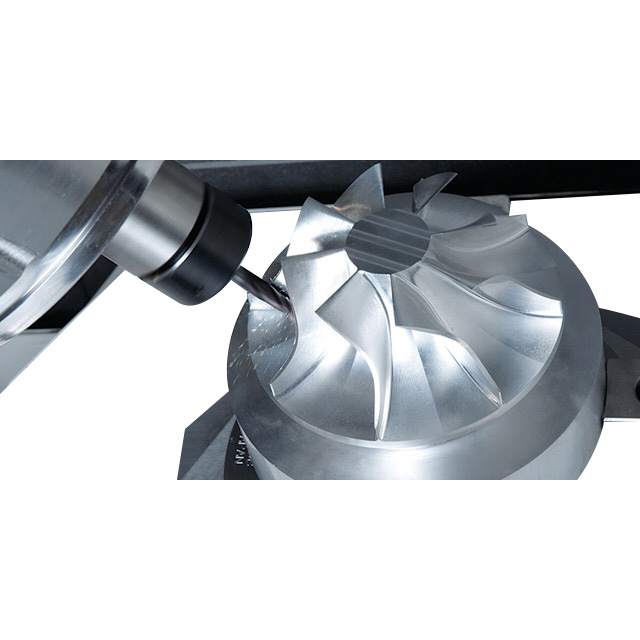
Send both formats. The 3D model defines the nominal geometry used for tooling and machining review; the 2D drawing communicates information that a solid model usually cannot, including tolerances, datums, threads, surface-finish callouts, inspection notes, and revision control.
Flag the features that affect assembly or function. Typical examples include bearing seats, sealing faces, threaded holes, connector positions, thin walls, deep ribs, and surfaces that must remain free of ejector marks. Don’t apply tight tolerances to every dimension. Casting variation, tool construction, parting-line location, draft, and post-cast movement all affect what can be held directly from the die. Dimensions that truly require tighter control may need CNC milling, turning, reaming, or another secondary operation.
A common failure mode is a mismatch between the drawing and CAD file. The supplier quotes one revision, while purchasing orders another. Put the same part number and revision on every file, identify the governing document, and remove obsolete files from the RFQ package.
Photos or marked-up examples can also clarify cosmetic intent. DS Industrial publishes a custom die casting parts gallery that may help buyers communicate general part type and visible-surface expectations, but reference images don’t replace acceptance criteria.
State the alloy designation rather than requesting “aluminum” or “zinc.” Alloy choice affects filling behavior, strength, corrosion performance, weight, finishing compatibility, and secondary machining. If the material is still open, provide the operating loads, temperature exposure, environmental conditions, weight target, and regulatory constraints so the manufacturer can review viable options without silently choosing one.
Quantity needs the same precision. Include the initial order, expected batch size, annual demand, and likely program life. Tooling and production assumptions for a sample run can differ substantially from those for recurring releases. If you already have a die, supply its drawings, maintenance history, shot count if known, ownership records, and current location. An existing tool isn’t automatically reusable; its construction, condition, alloy, and press compatibility must be checked.
Aluminum is commonly considered where lower part weight, thermal behavior, or application-specific mechanical performance matters. Zinc may suit smaller detailed components, thin features, or parts requiring certain plating and cosmetic characteristics. Those are starting points, not universal selection rules.
Ask the supplier to evaluate the specified alloy against the geometry, service environment, finish, and production quantity. Changing alloys solely to reduce the unit price can create later costs in machining, coating, assembly, or field performance. An aluminum die casting manufacturer and a zinc die casting manufacturer may also propose different tooling and process plans for apparently similar parts.
Press tonnage is a clamping-force rating, not a simple part-size limit. Fit depends on projected casting area, cavity count, tool dimensions, alloy, runner design, and the pressure required by the high pressure die casting process.
DS Industrial lists Yizumi aluminum machines from 300T to 1300T and LK zinc machines from 88T to 200T, along with EDM equipment. Give the engineering team enough information to confirm which machine, if any, suits the proposed die. A buyer shouldn’t select press tonnage from part length alone. You can review the company’s aluminum and zinc die casting examples for manufacturing context, then rely on a formal tool and process review for equipment selection.
“Black finish” isn’t a complete specification. Name the requested process if it is known, identify color or appearance standards, and mark cosmetic zones on the drawing. State which areas need masking and whether gate vestiges, parting lines, ejector marks, machining witness marks, or minor surface porosity are restricted. Finish requirements can change alloy selection, tool design, handling, deburring, polishing, and packaging.
Inspection notes should be equally practical. Identify critical dimensions, datum structure, sampling requirements, test methods, and required records. If you need dimensional inspection, CMM results, First Article Inspection, material certificates, or test reports, request them in the RFQ rather than after parts have been produced. DS Industrial lists dimensional inspection, CMM inspection, First Article Inspection, and certificates or reports on request, as well as ISO 9001:2015 compliance.
Acceptance language matters because “standard die casting tolerances” may not resolve a dispute over a functional feature. Tie each critical requirement to the drawing, inspection method, or recognized standard your organization actually uses.
A technically complete part package can still produce a misleading quote if the commercial assumptions are vague. Tell the supplier whether tooling should be quoted separately, who will own it, where it may be stored, and whether you expect spare inserts or maintenance records. Define how many samples you need and whether production approval depends on a First Article Inspection report, dimensional report, finish approval, assembly trial, or material documentation.
Separate your required sample date from the production delivery date. Tool design, die manufacture, sampling, revisions, finishing, inspection, and transit are distinct schedule stages. DS Industrial describes 24-hour quoting, but a fast quote still depends on a complete RFQ; it doesn’t mean approved tooling and cast parts can bypass technical review.
For U.S. orders, provide the full destination, packaging expectations, shipment size assumptions if known, and requested delivery terms. DS Industrial lists FedEx shipping for United States customers, but the best shipping method depends on part weight, order volume, urgency, and import arrangements. Specify corrosion protection, individual wrapping, tray packing, cosmetic separators, or labeling where those controls are necessary.
Use the supplier’s feedback to test the manufacturing route, not merely to negotiate price. Ask which dimensions will be cast and which will be machined, where the parting line and ejector marks are likely to appear, what draft changes are recommended, and which finish requirements present the greatest risk. This review often exposes conflicts while they are still inexpensive to correct.
Yes, but tooling cost and lead time must be justified against the expected quantity and part requirements. Low-volume die casting may make sense for repeat orders, demanding geometry, or a program likely to grow. For a short, one-time requirement, the tooling investment can dominate the economics. Give the supplier realistic lifetime demand rather than an optimistic forecast designed to obtain a lower piece price.
Request a CNC machining alternative when quantities are low, revisions are likely, or the part can be produced economically from billet without dedicated casting tooling. Investment casting deserves review when the alloy, geometry, or volume doesn’t fit the proposed die casting route. The right comparison includes tooling, secondary machining, finish, inspection, lead time, and total delivered cost—not unit price alone.
Send DS Industrial one controlled RFQ package containing the drawing, CAD model, material, quantities, finish, inspection plan, tooling information, and U.S. delivery details. Ask the team to identify assumptions and process-fit concerns in the quote. That single step makes competing prices easier to compare and keeps missing requirements from resurfacing after the die has been designed.
Most of our quotes are delivered within 24/36 hrs. and usually in much less time, depending on project details.
Our team will contact you directly about your CNC machining quote to ensure you’ve received and understand all aspects of your quotation and to answer any questions you may have about your options.